.png "progetto senza titolo (7)")
Some questions only come to mind when we stand beside someone at work. Why is dough shaped in a particular way? How do you know when a stage in the process is complete? Who taught a movement that now seems so natural?
Experiential tourism in Parteolla, Sardinia, can begin with this curiosity. Meeting the people who live and work here offers a way to explore local culture through conversation, observation and participation.
A landscape, a product or a tradition takes on new meaning when someone shares its story and helps us understand it. Time spent together becomes an important part of the journey.
What Does Taking Part in a Cultural Experience Mean?
Taking part means having an active role in what is happening. This might involve trying a craft technique, identifying an aroma during a tasting, following a rhythm or asking a question while watching someone work.
A thoughtfully designed cultural experience connects an action with its context. It explains its purpose, the knowledge it requires and its place in people’s lives.
Even a simple step can become meaningful when someone explains it. Participants begin to understand the reasons behind a choice and pay closer attention. Initial curiosity develops into practical understanding, shaped by words, movements and sensations.
People Give Places a Voice
Someone sharing their work brings a personal perspective to the story. They might explain a challenge, remember the person who taught them a technique or show how a process has changed over time.
Producers, craftspeople and cultural practitioners offer an insight into these experiences. Their stories help us understand the relationship between their work and the surrounding area, while showing how traditions continue to evolve.
In Parteolla, this approach can enrich the discovery of food culture, rural landscapes, the arts and community life. Each encounter offers one perspective to consider alongside others: no single voice can tell the whole story of a community.
Trying a Technique Helps Us Appreciate the Skill Behind It
Watching an experienced person can make a task look easy. Trying it ourselves reveals the attention it demands.
Our hands must learn to recognise a texture, apply the right amount of pressure and repeat a movement. Often, we need to pause, watch again and adjust our approach. These moments reveal how much practice can lie behind an everyday action.
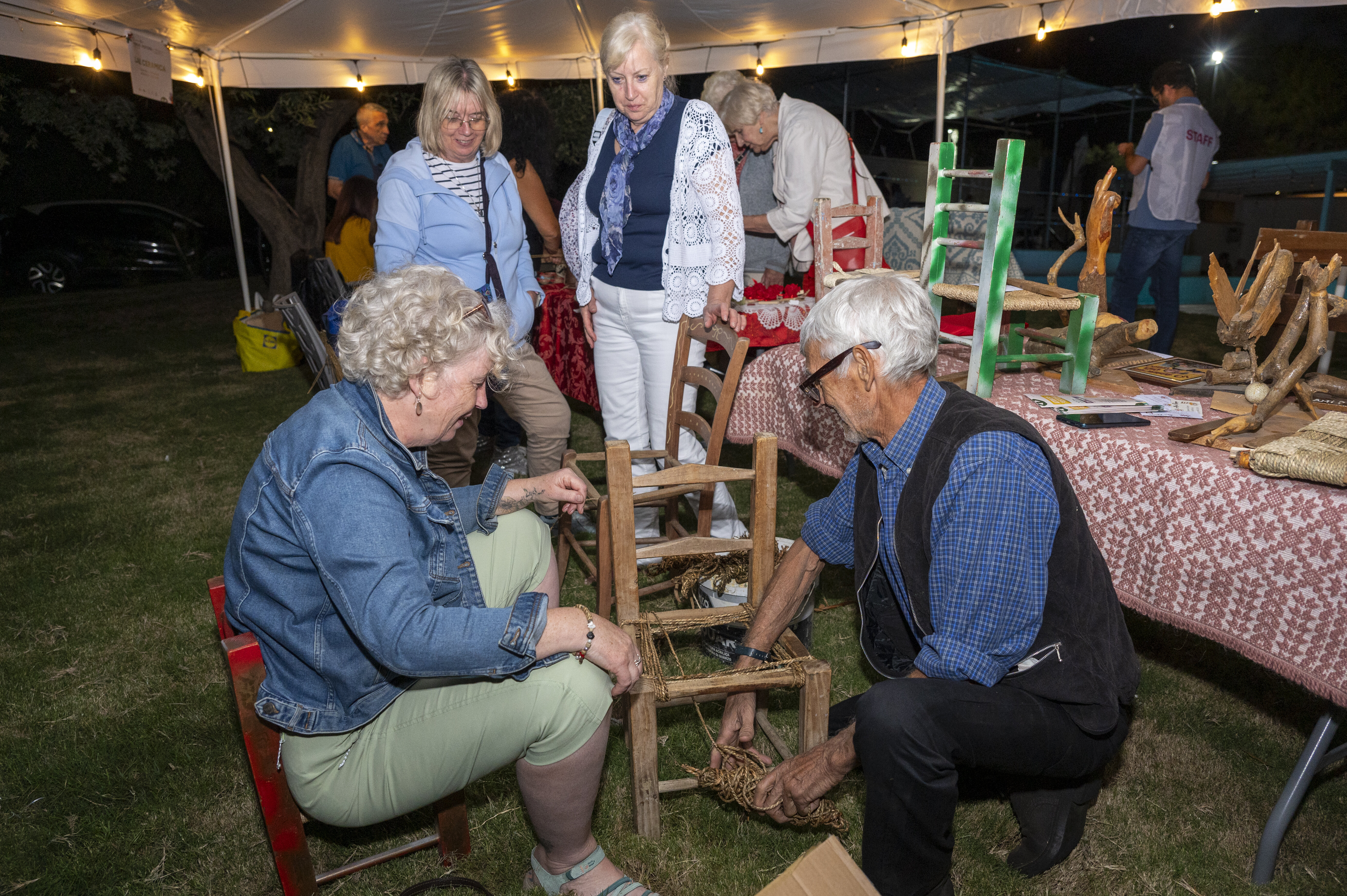
A workshop offers an introduction to that expertise. There is no need to master a technique in a few hours. Understanding why a particular step requires care is valuable in itself.
The experience gives us new ways to look at an object, a dish or a product. What once seemed simply a finished result also becomes a story about the work required to create it.
Traditions Live Through Sharing
Knowledge passes from one person to another when someone takes the time to demonstrate it and someone else wants to learn. Explaining a recipe, showing a technique or practising a dance step together can create that opportunity.
Differences often emerge during these encounters: an ingredient used by another family, a familiar movement from a different place or a memory that recalls a similar experience. These exchanges can enrich the experience for both participants and hosts.
Local culture comes into focus as something people continue to practise, interpret and share. Visitors can approach it with respect, recognising the value of the knowledge and of the people who make it accessible.
Time and Listening Are Part of the Experience
Learning through encounters requires a pace that leaves room for attention. An explanation may prompt a question; a demonstration may need to be repeated.
When choosing an experience, it helps to consider what you would like to understand more deeply. Giving an activity enough time makes it easier to follow its different stages and join the conversation.
Listening also has a practical role. Allowing hosts to describe their work, following their guidance and asking permission before photographing people are simple ways to make an encounter considerate and respectful.
Parteolla as a Place of Cultural Exchange
Discovering Parteolla through its people means connecting landscapes, local products and community life. A flavour can start a conversation about farming; a craft technique can reveal a family history; a cultural practice can help explain the importance of coming together.
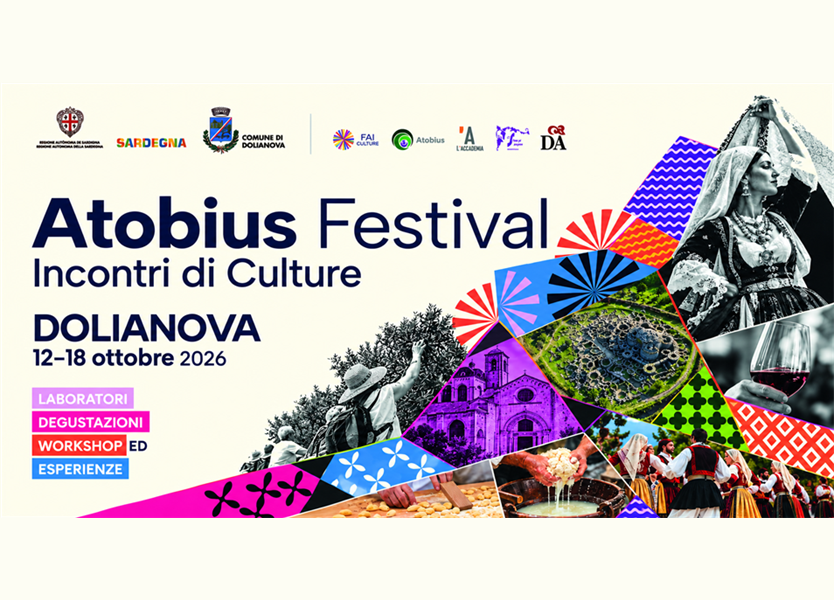
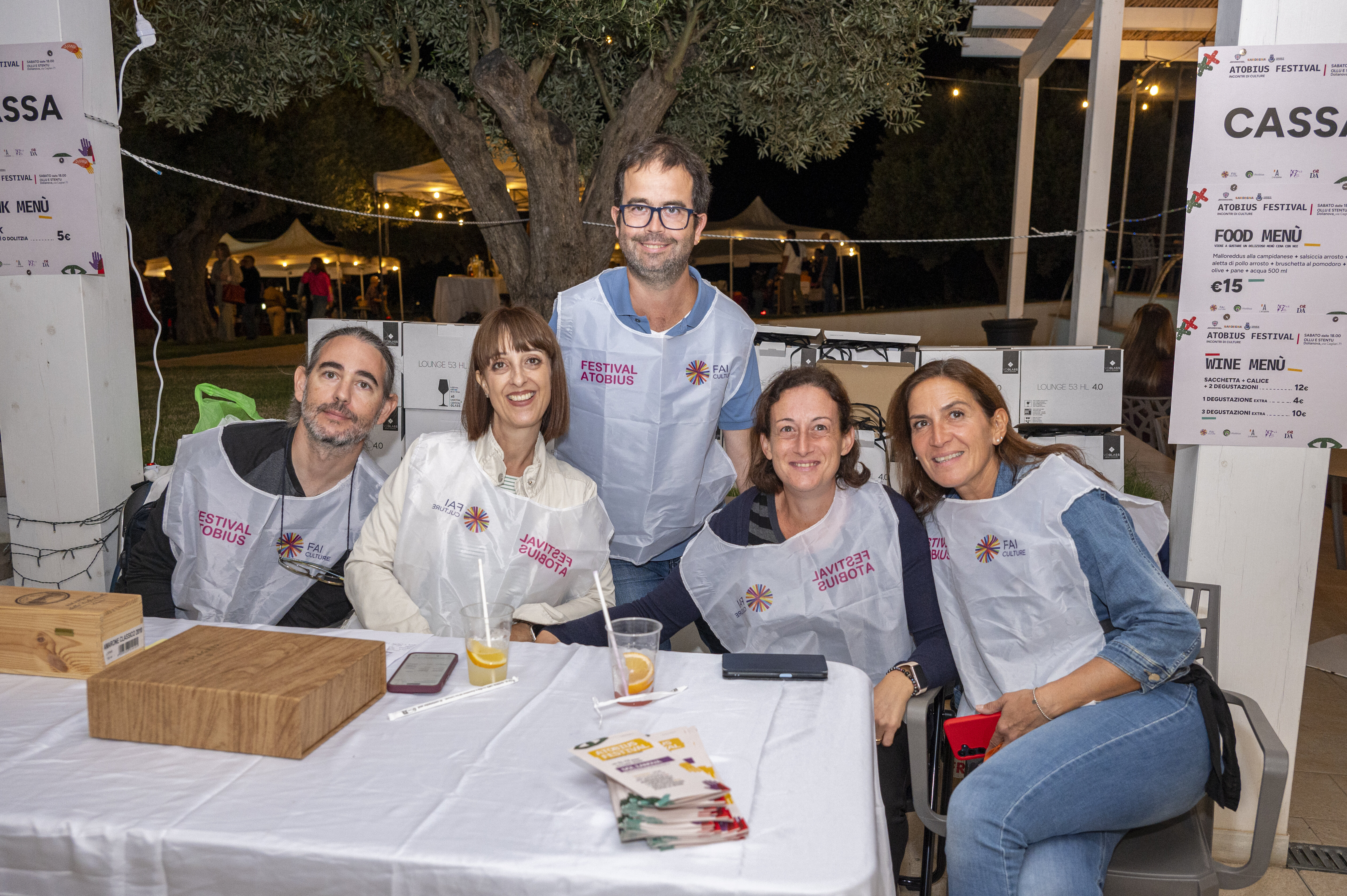
The Atobius Festival – Encounters of Cultures embraces this approach, offering opportunities to get to know the area through participation and exchange.
To explore the planned experiences and the latest programme updates, visit the Atobius Festival website.
A journey can leave us with a new question, a movement we have tried or an explanation that changes the way we see things. These reminders of the people we have met can stay with us long after we return home.